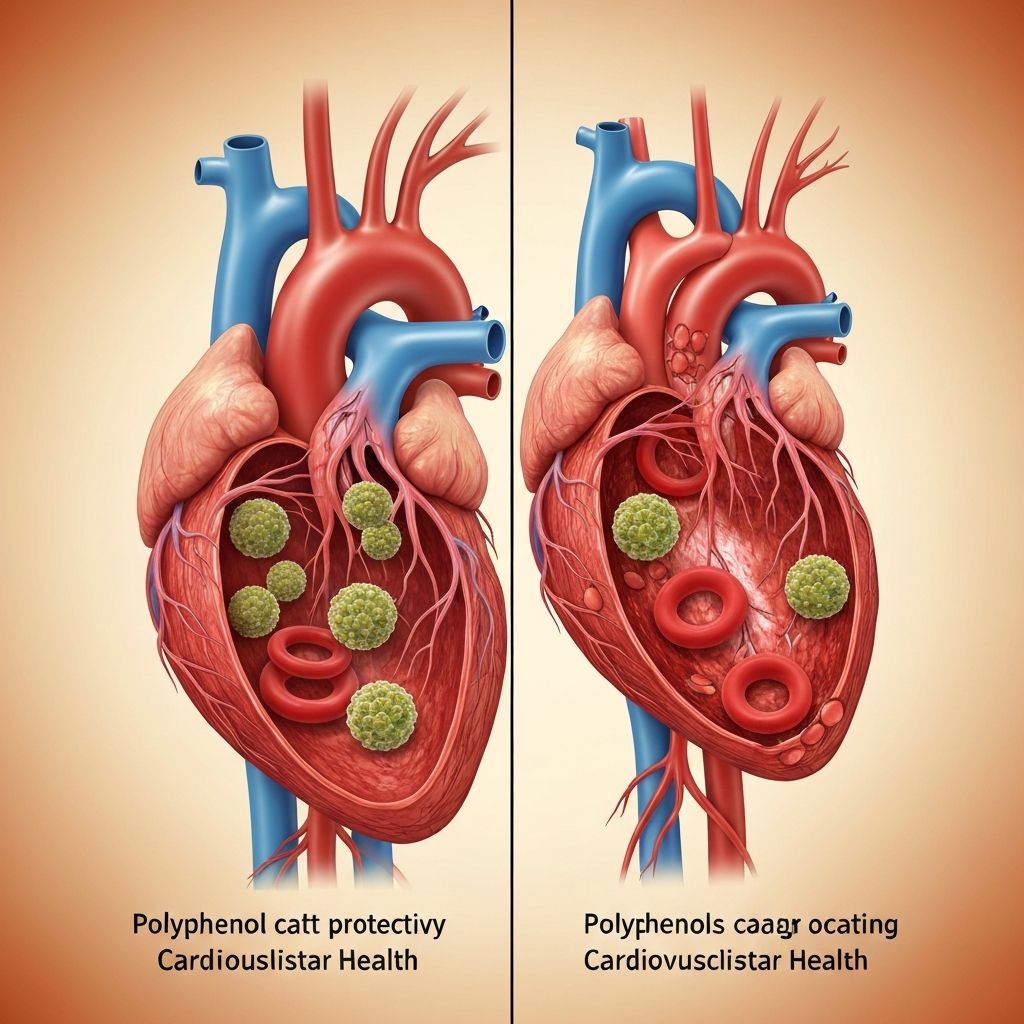
What Are Polyphenols?
Polyphenols are a large family of phytochemicals found abundantly in plant-based foods. These compounds include flavonoids, phenolic acids, and other structures that give fruits, vegetables, tea, coffee, and wine their colors and some of their bitter or astringent tastes.
Polyphenol Distribution in Foods
Rich sources include berries, apples, grapes, tea (particularly green and black varieties), coffee, red wine, nuts, and legumes. Different plants produce different polyphenol profiles—for example, quercetin is prominent in apples and onions, while anthocyanins give berries their deep colors.
Bioavailability and Metabolism
While polyphenols are present in high quantities in plant foods, their bioavailability—the proportion actually absorbed and utilized by the body—varies significantly. Gut microbiota play important roles in converting certain polyphenols into bioavailable forms. Individual differences in gut microbiota composition influence how effectively polyphenols are processed.
Research on Polyphenol Effects
Scientific literature documents associations between polyphenol-rich dietary patterns and various physiological markers. Population studies link high polyphenol intake to improved metabolic health indicators, reduced oxidative stress markers, and favorable inflammatory profiles. However, mechanisms remain incompletely understood, and effects vary across populations.
Studies demonstrate polyphenols can modulate gene expression related to antioxidant defenses and inflammatory response. These effects occur at cellular levels, but translating laboratory findings to human health outcomes remains an active area of research.
Polyphenols and Metabolic Markers
Intervention studies show polyphenol consumption correlates with improved metabolic markers including fasting glucose, insulin sensitivity, and lipid profiles. However, effect sizes are often modest and influenced by baseline health status, concurrent dietary patterns, and lifestyle factors.
Conclusion
Polyphenol-rich foods represent an important component of evidence-based dietary patterns. Their effects operate within the broader context of overall nutritional status, physical activity, sleep, and other lifestyle factors. Current evidence supports consuming plant-based foods with diverse polyphenol profiles as part of comprehensive nutritional approaches.